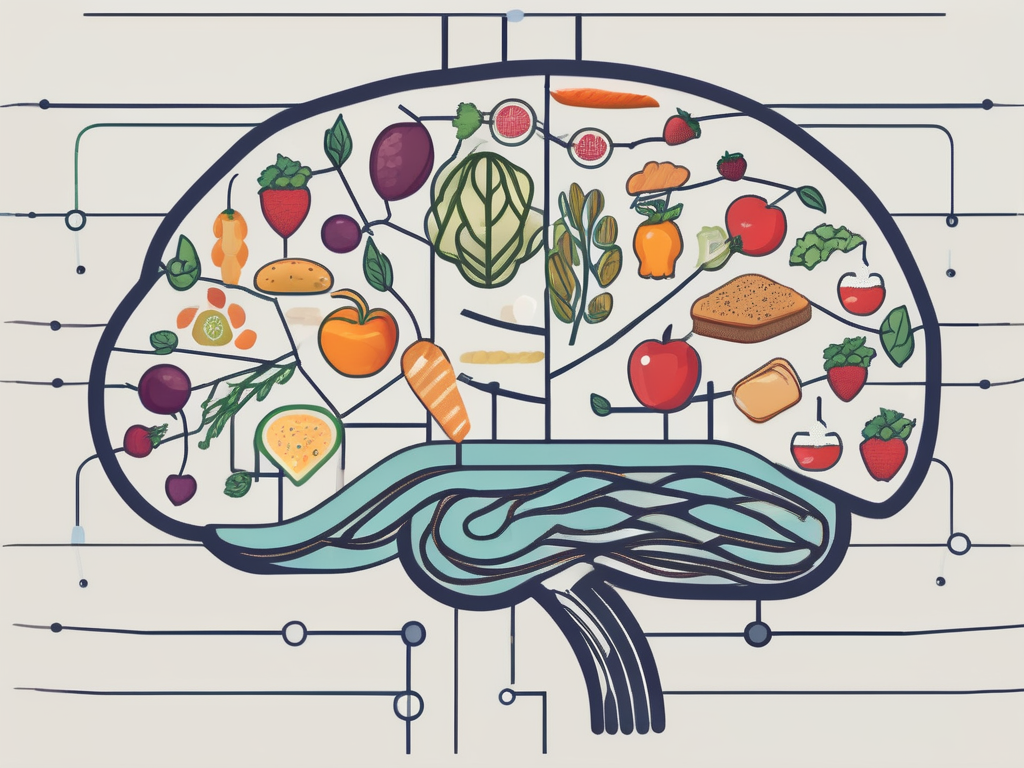
Do you ever find yourself struggling to concentrate on a task, feeling like your mind is constantly wandering? It can be frustrating, but have you ever considered that the solution might lie in what you eat? It turns out that there is a strong connection between food and focus, and understanding this connection can help you unleash your full potential.
Understanding the Connection Between Food and Focus
Have you ever wondered why your brain feels more alert and focused after a satisfying meal? It all comes down to the role that nutrients play in brain function.
But let’s delve deeper into the fascinating world of nutrition and its impact on cognitive abilities. The brain, although small in size, is a powerhouse that demands a variety of nutrients to operate at its best. From the essential omega-3 fatty acids found in fish like salmon, to the powerful antioxidants abundant in colorful fruits and vegetables, each nutrient plays a crucial role in supporting brain health.
The Role of Nutrients in Brain Function
Our brain is an incredibly complex organ that requires a constant supply of nutrients to function optimally. Nutrients like omega-3 fatty acids, antioxidants, and vitamins B and E are essential for maintaining cognitive function. These nutrients help protect the brain against oxidative stress, improve blood flow, and support the production of neurotransmitters responsible for focus and concentration.
Moreover, the intricate dance of minerals within the brain should not be overlooked. Minerals such as iron, magnesium, and zinc are pivotal for brain health. Iron, a key component in the formation of hemoglobin, ensures that the brain receives an ample oxygen supply. Magnesium, on the other hand, acts as a gatekeeper for neurotransmitter activity, while zinc facilitates efficient communication between brain cells, aiding in cognitive processes.
How Hunger Affects Concentration
Ever tried to concentrate when your stomach is growling? It’s not easy, is it? Hunger can significantly impact your ability to focus. When you are hungry, your body shifts its attention to finding food, making it difficult to concentrate on anything else. In addition, low blood sugar levels resulting from hunger can lead to poor cognitive performance and reduced mental clarity.
Understanding the intricate relationship between food and focus can empower you to make informed choices about your diet, ultimately influencing your cognitive performance and overall well-being. Remember, a well-nourished brain is a focused brain!
The Science Behind Food and Mental Clarity
By now, you might be wondering how exactly food affects our mental clarity. Well, it all comes down to the impact of blood sugar levels and hydration on cognitive performance.
When we delve deeper into the relationship between food and mental clarity, we find that certain nutrients play a vital role in brain function. For example, omega-3 fatty acids found in fatty fish like salmon and nuts have been linked to improved cognitive abilities and mood regulation. Additionally, antioxidants in foods such as berries and dark leafy greens help protect brain cells from oxidative stress, enhancing overall mental clarity and sharpness.
The Impact of Blood Sugar Levels on Focus
The brain relies on glucose as its primary source of energy, and maintaining stable blood sugar levels is crucial for optimal brain function. Consuming foods with a low glycemic index, such as whole grains, fruits, and vegetables, can help sustain steady blood sugar levels throughout the day. This, in turn, promotes improved focus and mental clarity.
Moreover, the timing of meals can also influence cognitive performance. Eating smaller, balanced meals throughout the day can prevent energy crashes and fluctuations in blood sugar levels, keeping your brain functioning at its best.
The Effects of Dehydration on Cognitive Performance
Did you know that even mild dehydration can impair cognitive performance? When you’re dehydrated, the brain’s cells become less efficient at communicating with each other, resulting in decreased cognitive function. To stay hydrated and maintain focus, it’s important to drink enough water throughout the day.
In addition to water, certain foods can also contribute to your hydration levels. Fruits like watermelon and cucumber have high water content and can aid in keeping you hydrated, further supporting optimal cognitive function.
The Importance of Regular Meals for Sustained Focus
In our fast-paced world, it’s easy to neglect our eating habits and skip meals. However, regular meals are essential for sustained focus and concentration.
Establishing a consistent eating schedule not only fuels your body but also plays a crucial role in enhancing your cognitive performance. When you skip meals, your blood sugar levels can drop, leading to feelings of fatigue and difficulty in concentrating on tasks. By prioritizing regular meals, you provide your brain with a steady source of energy, enabling you to stay alert and focused throughout the day.
The Benefits of a Balanced Diet for Concentration
A balanced diet rich in whole foods provides your brain with the necessary nutrients to function at its best. Including a variety of fruits, vegetables, lean proteins, whole grains, and healthy fats in your meals can help support your cognitive abilities and improve overall focus.
Moreover, incorporating omega-3 fatty acids into your diet, found in foods like salmon, walnuts, and flaxseeds, can promote brain health and enhance concentration levels. These essential fatty acids play a vital role in maintaining the structure of brain cells and supporting neurotransmission, ultimately boosting cognitive function.
Additionally, consuming foods high in antioxidants, such as blueberries, dark chocolate, and green tea, can have a positive impact on brain health. Antioxidants help protect brain cells from damage caused by free radicals, contributing to improved focus and mental clarity.
Timing Your Meals for Optimal Focus
When it comes to meals and focus, timing is key. Eating regular meals throughout the day helps maintain stable blood sugar levels, preventing energy crashes that can negatively affect your ability to concentrate. Aim to have three balanced meals and snacks in between to sustain your energy levels and keep your focus sharp.
Furthermore, paying attention to the composition of your meals can also impact your focus. Combining complex carbohydrates with lean proteins and healthy fats can provide a steady release of energy, keeping you mentally sharp and focused for longer periods. Consider incorporating foods like quinoa, chicken breast, avocado, and nuts into your meals to support sustained concentration and productivity.
Addressing Common Misconceptions About Food and Focus
Debunking the Myth of Fasting and Enhanced Focus
Fasting has gained popularity in recent years as a means to boost focus and productivity. While intermittent fasting may have benefits for some individuals, it’s important to recognize that fasting for extended periods can lead to low blood sugar levels and drain your mental energy. If you’re exploring fasting, be sure to do so under the guidance of a healthcare professional.
It’s crucial to understand that the relationship between fasting and focus is not one-size-fits-all. Factors such as individual metabolism, activity levels, and overall health play a significant role in how fasting may impact cognitive function. Additionally, prolonged fasting without proper supervision can have adverse effects on your overall well-being, including mood swings and decreased concentration.
The Truth About Brain Food and Cognitive Function
While certain foods are often touted as “brain-boosting,” it’s important to approach such claims with caution. There is no magical food that can instantly enhance focus or cognitive function. Instead, focus on nourishing your body with a well-rounded diet that includes a variety of nutrient-dense foods, providing your brain with the necessary fuel for optimal performance.
Moreover, the concept of “brain food” extends beyond individual nutrients or superfoods. A balanced diet rich in fruits, vegetables, whole grains, lean proteins, and healthy fats is essential for supporting cognitive function and overall brain health. Incorporating a diverse range of foods ensures that your brain receives a spectrum of vitamins, minerals, and antioxidants that work synergistically to promote mental clarity and sharpness.
Practical Tips for Maintaining Focus Through Diet
Choosing the Right Foods for Improved Concentration
To support your focus and concentration, incorporate these foods into your diet:
- Fatty fish like salmon, which is rich in omega-3 fatty acids
- Blueberries, known for their antioxidant properties
- Dark chocolate, a source of flavonoids that may improve blood flow to the brain
- Leafy greens like spinach and kale, packed with brain-boosting nutrients
- Nuts and seeds, providing essential minerals like magnesium and zinc
These foods are not only delicious but also have specific nutrients that can enhance your cognitive abilities. For example, omega-3 fatty acids found in fatty fish are essential for brain health and have been linked to improved focus and memory. Blueberries, on the other hand, are not only a tasty treat but also contain antioxidants that protect brain cells from oxidative stress.
Dark chocolate, in moderation, can be a delightful addition to your diet. It contains flavonoids, which are plant compounds that have been shown to increase blood flow to the brain, potentially improving cognitive function. So, the next time you crave something sweet, reach for a piece of dark chocolate!
Leafy greens like spinach and kale are not only excellent sources of vitamins and minerals but also contain compounds that support brain health. These vegetables are rich in folate, which helps produce neurotransmitters that regulate mood and enhance cognitive function. By incorporating more leafy greens into your meals, you can give your brain a nutritious boost.
Nuts and seeds are small but mighty when it comes to brain health. They are packed with essential minerals like magnesium and zinc, which play a crucial role in maintaining optimal brain function. Additionally, they provide healthy fats and protein, both of which are essential for sustained focus and concentration.
Remember, these foods should be part of a balanced diet and not consumed in excessive amounts.
Strategies for Avoiding Hunger-Induced Distractions
Preventing hunger-induced distractions is essential for maintaining focus. Here are some strategies to help you stay on track:
- Plan your meals and snacks ahead of time to ensure you have nutritious options readily available
- Include protein-rich foods in your meals and snacks to promote satiety
- Keep healthy snacks, like fruits or nuts, within reach to curb hunger cravings
- Avoid skipping meals – prioritize regular, balanced eating habits
By planning your meals and snacks in advance, you can avoid reaching for unhealthy options when hunger strikes. Including protein-rich foods in your meals and snacks helps keep you feeling full for longer, reducing the chances of distractions caused by hunger. Having healthy snacks readily available can also help curb cravings and keep you focused on the task at hand. Lastly, remember not to skip meals, as this can lead to drops in blood sugar levels and subsequent difficulties in maintaining concentration.
By fueling your body with nutritious foods and establishing healthy eating habits, you can set yourself up for greater focus and enhanced cognitive performance.
In conclusion, the connection between food and focus is undeniable. By understanding how nutrients, blood sugar levels, hydration, and regular meals impact our cognitive abilities, we can make informed choices to optimize our focus and mental clarity. Remember, a nourished mind is a focused mind!