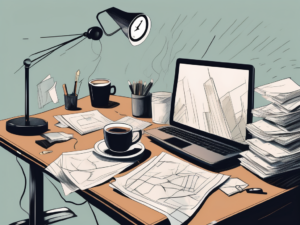
We’ve all been there. It’s one of those days where you’ve had one cup of coffee too many, and now you find yourself overcaffeinated and unable to focus. Don’t worry, though – there are steps you can take to regain control and get back on track. In this article, we’ll explore the science behind overcaffeination, immediate remedies to counteract its effects, long-term strategies to avoid it altogether, the role of diet and lifestyle, and when it might be time to seek medical help. So, let’s dive in and learn how to navigate this caffeinated conundrum together!
Understanding Overcaffeination
Before we delve into the solutions, it’s essential to understand what overcaffeination is and why it can impact your focus. Caffeine, a natural stimulant found in coffee, tea, soda, and even chocolate, works by blocking adenosine receptors in the brain, which helps keep you awake and alert. However, consuming too much caffeine can lead to a surplus of energy that disrupts your ability to concentrate.
Moreover, overcaffeination can also have physical effects on the body beyond just impacting focus. Excessive caffeine consumption can result in increased heart rate, elevated blood pressure, and even digestive issues. It’s important to be mindful of not only how caffeine affects your mental state but also how it influences your overall well-being.
The Science Behind Caffeine and Focus
When you consume caffeine, it easily crosses the blood-brain barrier and binds to adenosine receptors. Adenosine is a neurotransmitter that promotes relaxation and drowsiness. By blocking these receptors, caffeine prevents adenosine from taking effect, promoting alertness instead. However, excessive amounts of caffeine can overstimulate and overwhelm your system, leaving you feeling jittery and unable to focus.
Furthermore, the impact of caffeine on focus goes beyond just the immediate effects. Prolonged overcaffeination can disrupt your sleep patterns, leading to fatigue and further exacerbating difficulties in concentration. It’s a cycle that can be challenging to break once it takes hold, emphasizing the importance of moderation in caffeine consumption.
Recognizing the Symptoms of Overcaffeination
How can you tell if you’re overcaffeinated? Pay attention to your body’s signals and look for common symptoms such as restlessness, increased heart rate, anxiety, irritability, difficulty sleeping, and of course, trouble focusing. It’s crucial to listen to your body and recognize when you’ve pushed your caffeine intake beyond its limits.
In addition to the physical symptoms, overcaffeination can also manifest in psychological ways. You may experience heightened feelings of stress or find it challenging to relax even in non-stressful situations. Understanding the full spectrum of symptoms can help you identify when caffeine consumption has crossed the line from helpful to harmful.
Immediate Steps to Counteract Overcaffeination
When you find yourself overcaffeinated and struggling to focus, there are a few immediate steps you can take to counteract its effects. Let’s explore two of the most effective strategies: hydration and physical activity.
Hydration: The First Line of Defense
One of the simplest and most effective remedies for overcaffeination is proper hydration. Drinking water helps to flush out toxins, including excess caffeine, from your system. Additionally, staying hydrated can help alleviate some of the unwanted side effects of overcaffeination, such as increased heart rate and restlessness.
But did you know that hydration goes beyond just drinking water? It’s not just about the quantity, but also the quality of the water you consume. Consider adding a slice of lemon or cucumber to your water for a refreshing twist. These natural additives not only enhance the taste but also provide additional health benefits. Lemon, for example, is rich in vitamin C and can boost your immune system, while cucumber is known for its hydrating properties.
So, grab that water bottle and sip your way back to focus. Aim for at least eight glasses of water throughout the day. Remember, staying hydrated isn’t just important when you’re overcaffeinated; it’s an essential part of maintaining overall well-being.
Physical Activity to Burn Off Excess Energy
Another powerful tool in your arsenal against overcaffeination is physical activity. Exercise helps burn off excess energy, allowing you to channel that caffeinated buzz into productive movement. Whether it’s a brisk walk, a quick yoga flow, or an intense workout session, getting your body moving can do wonders for reducing restlessness and improving mental clarity.
Engaging in physical activity also releases endorphins, the feel-good chemicals in your brain that promote a positive mood and reduce anxiety. But did you know that the benefits of exercise extend beyond just countering overcaffeination? Regular physical activity has been linked to improved cardiovascular health, increased energy levels, and better sleep quality.
So, put on your sneakers, head outside, and let nature and movement work their magic on your focus levels. Whether it’s a solo jog in the park or a group fitness class, find an activity that brings you joy and helps you reset your caffeine-fueled state.
Long-Term Strategies to Avoid Overcaffeination
While immediate remedies are helpful when you’re in the throes of overcaffeination, it’s crucial to develop long-term strategies to prevent it from happening in the first place. Let’s explore two approaches that can help you maintain a healthy relationship with caffeine: establishing a healthy caffeine routine and exploring alternatives to caffeine for energy and focus.
Establishing a Healthy Caffeine Routine
Instead of relying on sporadic caffeine binges, consider establishing a healthy caffeine routine. Set a daily limit for your caffeine intake and stick to it. Gradually reduce your consumption if needed to prevent dependency. Experiment with different sources of caffeine, such as green tea or matcha, which often have lower caffeine content but still offer a boost of energy.
Additionally, it can be helpful to understand the timing of your caffeine intake. Consuming caffeine too close to bedtime can disrupt your sleep, leading to a cycle of fatigue and increased caffeine consumption the next day. By strategically planning your caffeine consumption earlier in the day, you can optimize its energizing effects while still ensuring a good night’s sleep.
Remember, moderation is key. By establishing a balanced approach to caffeine, you can enjoy its benefits without suffering from the negative effects of overconsumption. It’s important to listen to your body and adjust your routine as needed to maintain a healthy and sustainable relationship with caffeine.
Alternatives to Caffeine for Energy and Focus
If you find that caffeine consistently leaves you overcaffeinated and unable to focus, it might be time to explore alternative ways to energize your mind and body. Consider incorporating natural sources of energy, such as adaptogenic herbs, like ashwagandha or ginseng, or exploring productivity-enhancing activities like meditation and deep breathing exercises.
Adaptogenic herbs have been used for centuries in traditional medicine to promote overall well-being and enhance mental clarity. They can provide a gentle and sustained energy boost without the jitters or crash often associated with caffeine. Meditation and deep breathing exercises, on the other hand, can help calm the mind, reduce stress, and improve focus, allowing you to tap into your natural energy reserves.
Experiment with these alternatives and listen to what works best for your body. Each individual is unique, so finding the right balance of caffeine and non-caffeinated options will be a personal journey. Remember, the goal is to maintain a healthy and sustainable level of energy and focus throughout the day, and by exploring different strategies, you can discover what works best for you.
The Role of Diet and Lifestyle in Caffeine Tolerance
While caffeine intake is an essential factor in overcaffeination, it’s vital to examine your overall diet and lifestyle choices to understand their impact on your caffeine tolerance. Let’s explore two crucial areas: nutritional choices and the role of sleep and stress.
Nutritional Choices to Enhance Focus
Proper nutrition plays a significant role in supporting your focus and overall cognitive function. Incorporate foods rich in omega-3 fatty acids, such as salmon, walnuts, and chia seeds, as they have been shown to enhance brain health. Additionally, foods high in antioxidants, like blueberries and dark chocolate, can also provide a natural boost to your mental clarity.
Consider working with a nutritionist or incorporating a variety of brain-healthy foods into your daily diet. A well-nourished brain is better equipped to handle the challenges of caffeine.
The Impact of Sleep and Stress on Caffeine Sensitivity
Getting enough sleep and managing stress levels are crucial factors in determining your sensitivity to caffeine. Lack of sleep can make you more susceptible to the effects of caffeine, while stress can amplify those effects. Ensure you establish a consistent sleep routine, prioritize relaxation techniques, and find healthy ways to manage stress.
By cultivating healthy sleep habits and implementing stress-reducing practices, you give your body the best chance to handle caffeine effectively and maintain focus throughout the day.
When to Seek Medical Help for Overcaffeination
In most cases, overcaffeination can be managed with the strategies outlined above. However, there may be instances where seeking medical help is necessary. Let’s explore some signs that warrant professional attention:
Identifying Serious Overcaffeination Symptoms
If your symptoms persist or worsen despite attempting the aforementioned remedies, it’s essential to consult a healthcare professional. Additionally, if you experience symptoms such as severe chest pain, palpitations, or difficulty breathing, seek immediate medical assistance, as these could indicate a more severe underlying condition.
Your healthcare provider will be able to provide personalized guidance and ensure that there are no underlying issues causing your overcaffeination symptoms.
Professional Treatments for Chronic Overcaffeination
In rare cases of chronic overcaffeination, where symptoms persist despite lifestyle modifications, a medical professional may recommend specific treatments. These treatments can include therapy, medication management, or referrals to specialists who can provide further guidance and support.
Remember, it’s always best to consult with a qualified healthcare professional who can assess your unique situation and provide tailored advice.
So, when the world becomes a caffeinated blur, know that there is hope. By understanding the science behind overcaffeination, employing immediate and long-term strategies, and addressing lifestyle factors, you can regain control of your focus and find harmony in your relationship with caffeine. Listen to your body, treat yourself with kindness, and embrace the journey towards a balanced and focused life!